
Permitted Development vs Planning Permission: the safest route for your extension (and how to avoid delays)
Most homeowners start with: “Do I need planning permission?”
What they usually mean is: “What’s the safest way to get this approved without wasting months?”
For home extensions there are three common routes:
Permitted Development (PD)
Prior Approval (for certain larger single storey rear extensions)
Full planning permission
This guide explains how to choose the right route, and the issues that most often cause delays, refusals, or an approval that doesn’t really deliver what you wanted.
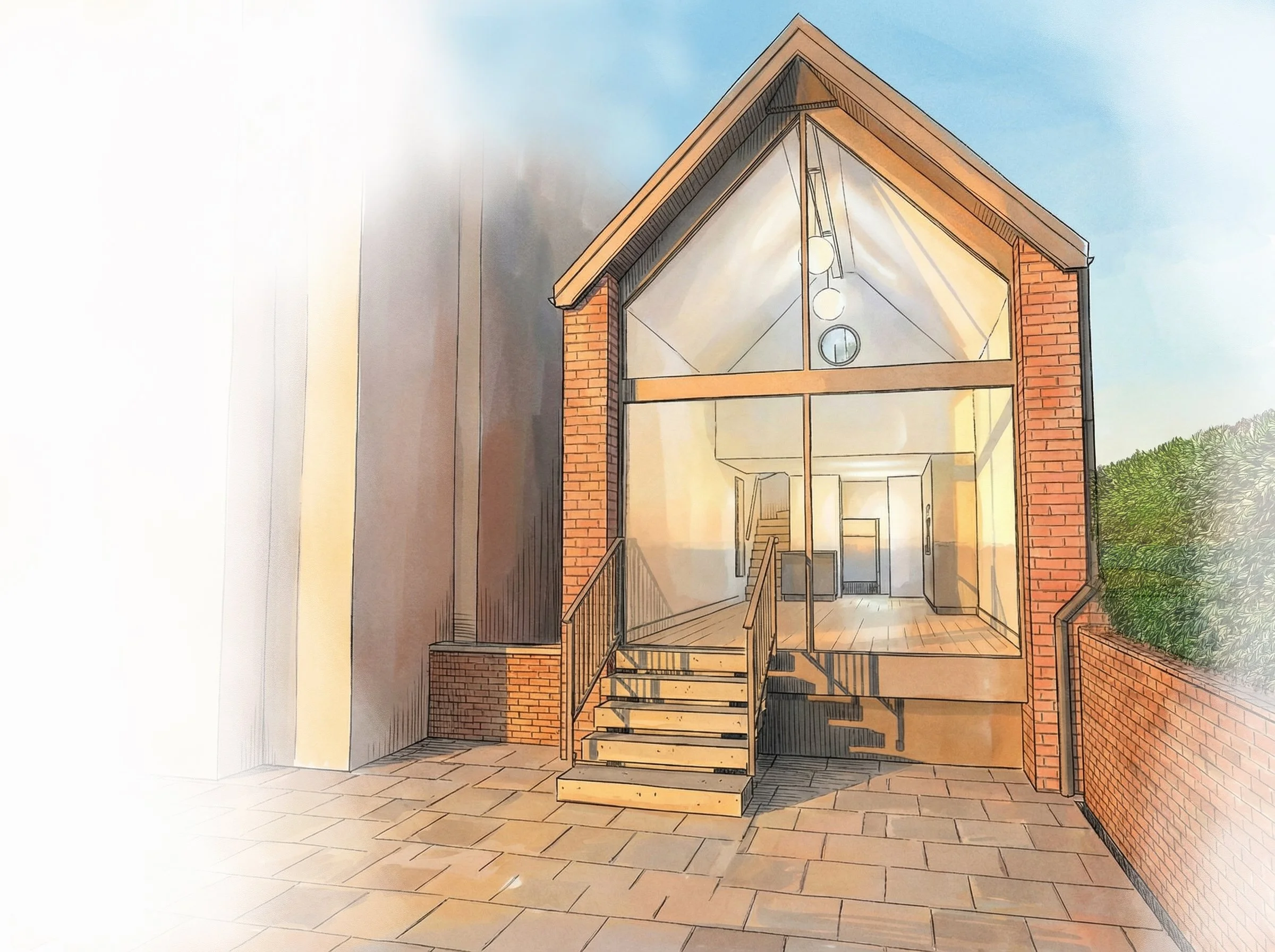
Rules matter, but context and neighbour impacts usually decide outcomes
Permitted Development vs Planning
Permitted Development (PD) is rules led. If your proposal stays within the limits and conditions, you may not need a householder planning application.
Planning permission is judgement led. The council considers context, neighbours and policy, then decides whether the proposal is acceptable.
Prior Approval sits in the middle. It’s still a PD route, but for certain larger rear extensions the council notifies neighbours and considers specific impacts before you can proceed.
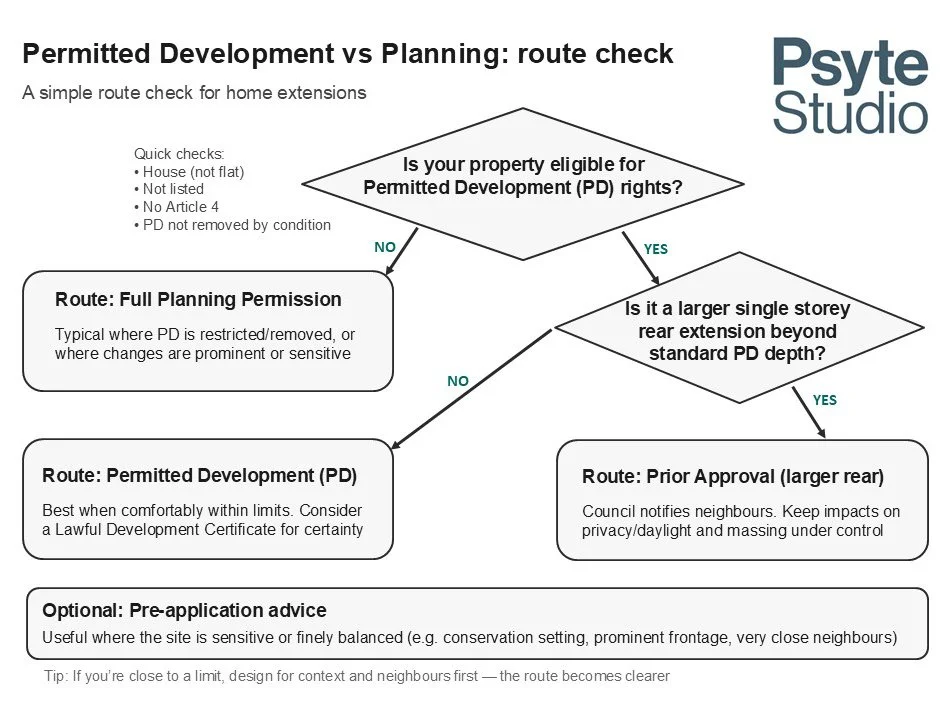
A quick route check avoids redesign later
The five checks that decide the route (and the risk)
1. Are PD rights available for your home?
This is the first “quiet killer”. PD rights don’t apply to every dwelling type and can be restricted or removed in certain circumstances. If there’s any doubt, confirm early, designing on the assumption of PD and then discovering you need planning is one of the most common causes of wasted time.
2. Will the change be seen from the street?
Visibility drives scrutiny. Front and prominent side changes (corner plots especially), and anything that alters the roof form, generally attracts more attention than modest rear work.
A practical rule: if the street will notice it, planning will care about it.
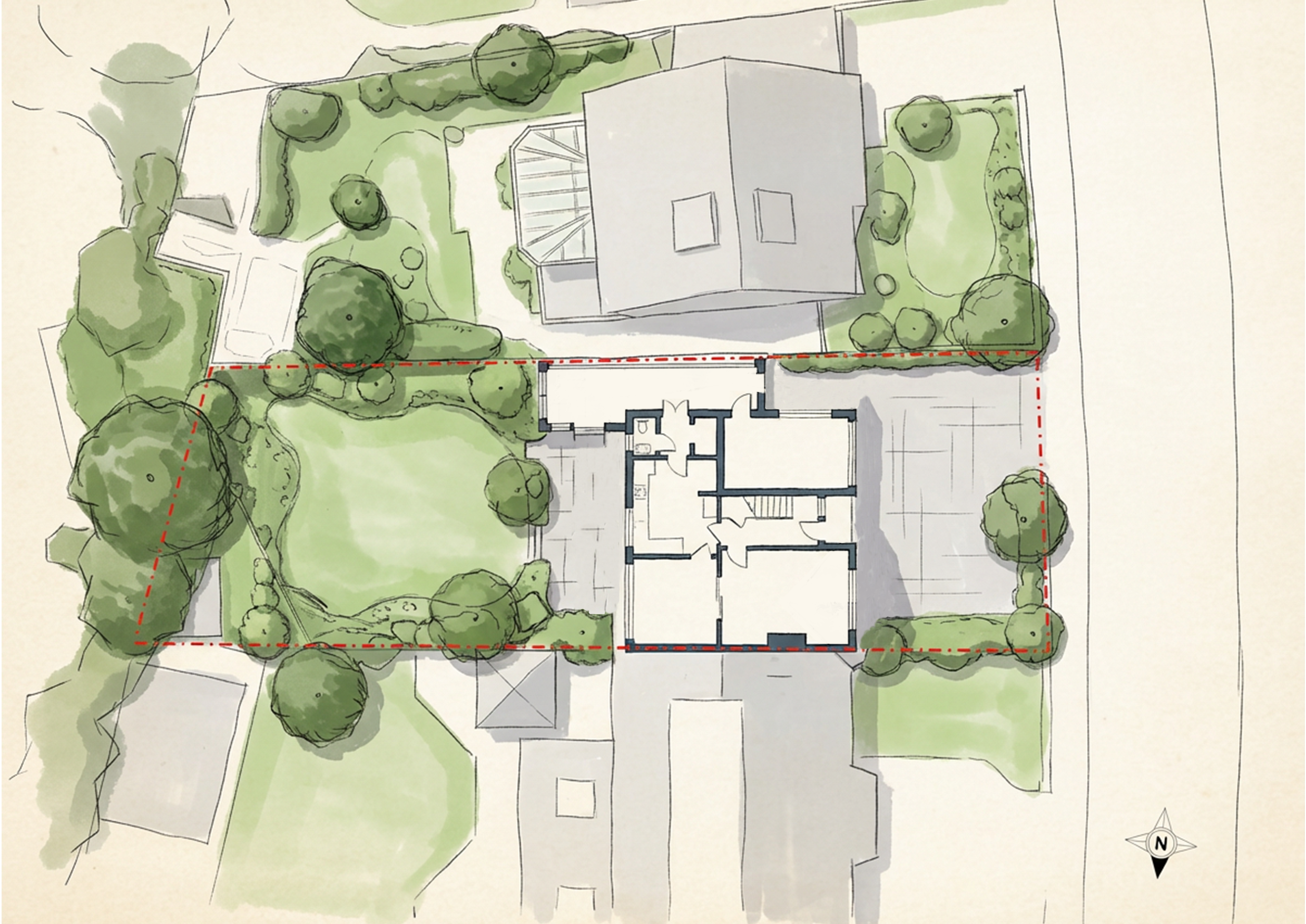
Start with context: boundaries, neighbours and key viewpoints
3. Are you designing right up to the limits?
PD can be efficient when you’re comfortably within allowances. Risk rises quickly when you’re near the edge, because small details suddenly matter:
Heights and set backs
Proximity to boundaries
Roof forms and dormer proportions
How the mass reads from neighbouring gardens
This is where projects often drift: “nearly PD” becomes redesign, delay, or a reluctant switch into planning.
Tip: if you’re aiming for maximum size, it’s usually worth designing as if it will be judged, because it likely will be (by neighbours, officers, or both).
4. What will neighbours experience day to day?
Many householder outcomes turn on neighbour amenity:
privacy / overlooking
daylight / overshadowing
overbearing impact / outlook
Often you can keep similar floorspace and materially reduce planning risk by adjusting massing, set-backs, roof form and window positions.
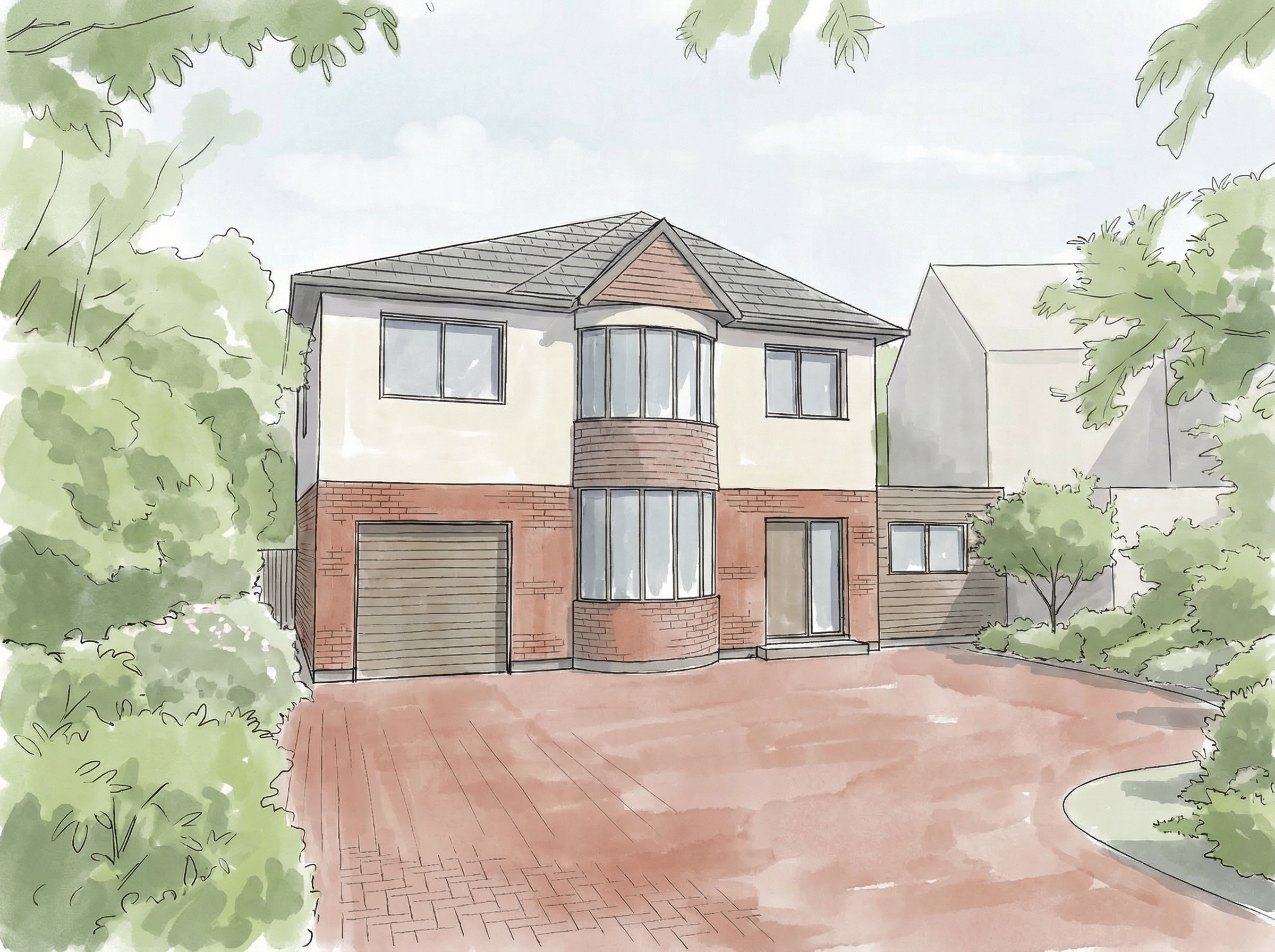
Small changes to massing and openings can materially reduce impact
5. What does the local context and site history suggest?
Two checks reduce risk fast:
Local precedents: what’s been approved nearby (and what hasn’t)
Site history: previous refusals, conditions or constraints that still matter
Planning is discretionary, but local patterns are real, and they’re often the quickest indicator of where the “line” sits in a particular area.
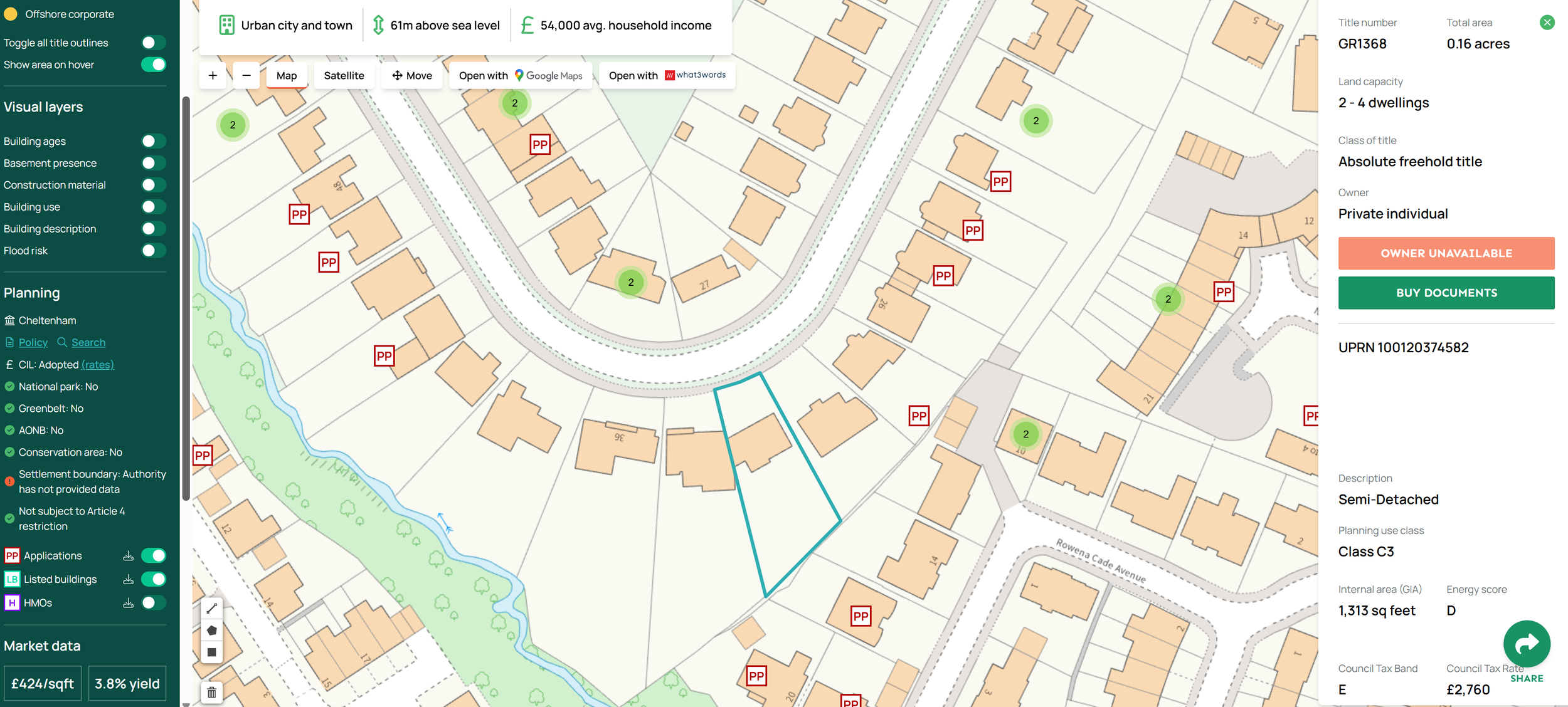
Local precedent and site history checks can save weeks of redesign
The “larger rear extension” question (and where Prior Approval applies)
This is one of the most searched topics because it sounds like a shortcut, but it has rules.
Under standard PD, a single storey rear extension cannot extend beyond the original rear wall by more than:
4m for a detached house, or
3m for any other house.
Where Prior Approval applies (the neighbour consultation scheme), those rear limits can increase to:
Up to 8m for detached houses, or
Up to 6m for any other house.
Key point: Prior Approval includes neighbour consultation, so designing around privacy/daylight and massing becomes even more important
The most common mistake (and why it leads to refusal or compromised approvals)
A lot of householder submissions rely on drawings alone. But planning is a judgement call, and officers need a clear written explanation of:
What’s changing and why
How the design responds to the setting
How neighbour impacts are mitigated
Why the proposal aligns with policy
Heritage/character considerations where relevant
For most extensions a Design and Access Statement (DAS) isn’t required, but in Cheltenham conservation areas (and for listed building applications) it often is. Where a DAS is needed, the core content overlaps with a good Planning Statement, clear design rationale, context response and access considerations, and missing required documents can delay validation.
Sometimes we’re brought in after an application has been refused, or where permission has been granted but the design feels compromised. In those cases, we step back, identify what actually drove the decision, and reshape the proposal so it works better, for the home and for planning.
Should you get a Lawful Development Certificate?
If you’re building under PD, a Lawful Development Certificate (LDC) is often worth considering. It creates a clear record that the works were lawful, which can be helpful later (especially when selling).
Should you use pre-application advice?
Sometimes, not always. Pre-app can be useful when acceptability is finely balanced (prominent changes, sensitive settings, very close neighbours, or when you’re deciding between two materially different options).
For many straightforward rear extensions, it may be unnecessary. The better approach is usually: confirm the route early, test the scheme in context, and submit a clear, well reasoned package.
Why 3D context testing matters (even for “simple” extensions)
Extensions are judged in three dimensions: massing, roof form and how they sit in context from key viewpoints (street and neighbouring gardens). Testing those views early is often the quickest way to spot issues before they become redesign.
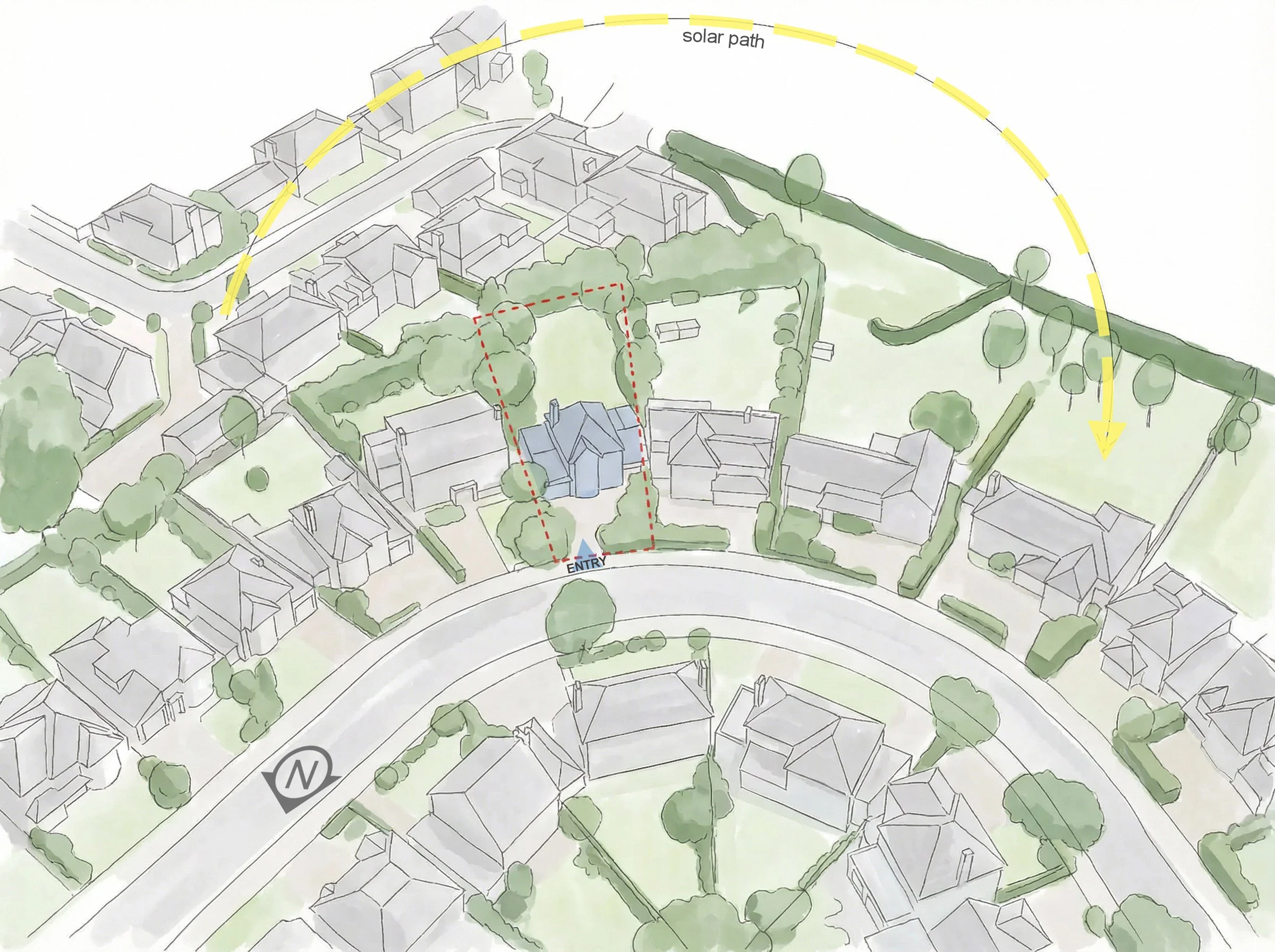
3D context views make massing and roof form legible early
Quick FAQs
Does PD mean I don’t need Building Regulations?
No. PD is a planning route only. Building Regulations are separate.
Do I need a planning consultant?
Not necessarily. For many householder projects, the difference is a well considered design tested in context, plus a Planning Statement that deals with the issues officers actually assess.
Can I start with PD and switch to planning later?
Yes but it often wastes time. Establishing the likely route early usually saves redesign.
If you’re at the “will this get approved?” stage
A postcode/Rightmove link, a couple of photos and a short description is often enough to identify:
The likely route (PD / Prior Approval / Planning), and
The main risks to design around
Book a free 20 minute consultation
If you’re planning a project in Cheltenham or nearby, you can book a free 20 minute consultation call. We’ll cover the likely planning route (PD / Prior Approval / planning) and the best next step.
Helpful to include:
Address & postcode (or a Rightmove link)
2–4 photos (front and rear)
A short summary of what you’d like to achieve
Target timeframe